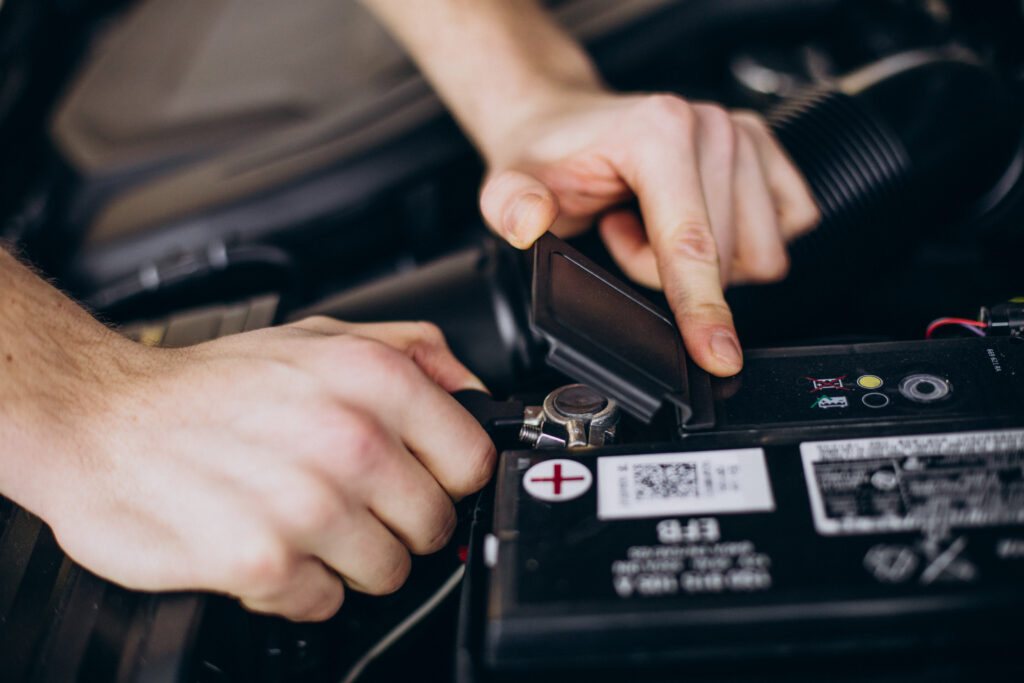
While battery ecosystems in both nations are inherently linked to the automotive sector, batteries are a key technology for countless industries, from power tools to medical devices, from mobile robots to drones, and from renewable energy systems to defence technology. Therefore, it is of the utmost importance for both countries to establish a resilient battery supply chain. Looking at respective priorities and emerging opportunities, we can compare them and put forward some recommendations on further connecting the German and Canadian battery ecosystems.
At this week’s Investment Summit in Toronto, Canada is pitching itself to the world as a stable, investable economy with the resources, talent, and major projects global capital is looking for.
As the Canada Strong Budget (2025) deploys $280 billion in capital investments over five years, Canada’s battery sector is experiencing a rare alignment of political will, infrastructure funding, and market demand.
Whether it’s a hiccup or just headwinds, something is happening in the electric vehicle market. Despite EV sales in the US and Canada continuing to carve out record shares of the new vehicle market, the second half of 2023 has started to see quite a bit of handwringing on the future of the ZEV industry.